QA · QUALITY ASSURANCE
Build the right controls.
Align specifications, assess factory capability, define testing needs and track changes and open actions.

Eliminate Redundancy.
QUALITY ASSURANCE & CONTROL
From supplier assessment and sample approval to production checks and corrective action, comesouce helps you define quality requirements, review evidence and follow issues through to resolution.
We connect product specifications, supplier communication and quality records, giving your buying team a clearer basis for decisions throughout the sourcing process.
newton@comesouce.com
QA + QC
Quality assurance sets the requirements and controls. Quality control checks the product against them. We connect both throughout your sourcing project.
QA · QUALITY ASSURANCE
Align specifications, assess factory capability, define testing needs and track changes and open actions.
QC · QUALITY CONTROL
Review samples, inspect products and packaging, document deviations and verify corrective actions.
FROM BRIEF TO DELIVERY
The scope, timing, sampling plan and responsibilities are agreed around your product, supplier and destination market.
01 · Supplier assessment
Assess the supplier’s manufacturing capability, production processes and quality controls against your project requirements. Record findings and identify improvements needed before proceeding.
02 · Sample validation
Review samples against agreed specifications, materials, construction, functionality and packaging. Document approved configurations and outstanding issues to establish a reference for production and inspection.
03 · Production quality coordination
Coordinate agreed production checks, track deviations and follow up on corrective actions. Keep suppliers aligned with approved specifications, samples and packaging requirements.
04 · Pre-shipment inspection
Arrange inspections within an agreed scope, covering relevant product checks, workmanship, quantities, labelling and packaging. Document findings and open issues to support the buyer’s shipment-release decision.
05 · Corrective action and follow-up
Record each issue, agree the required action and assign responsibility and deadlines. Review supporting evidence and follow up on recurring problems to improve future orders.
Photographic records connect the assessment with the conditions observed on site.
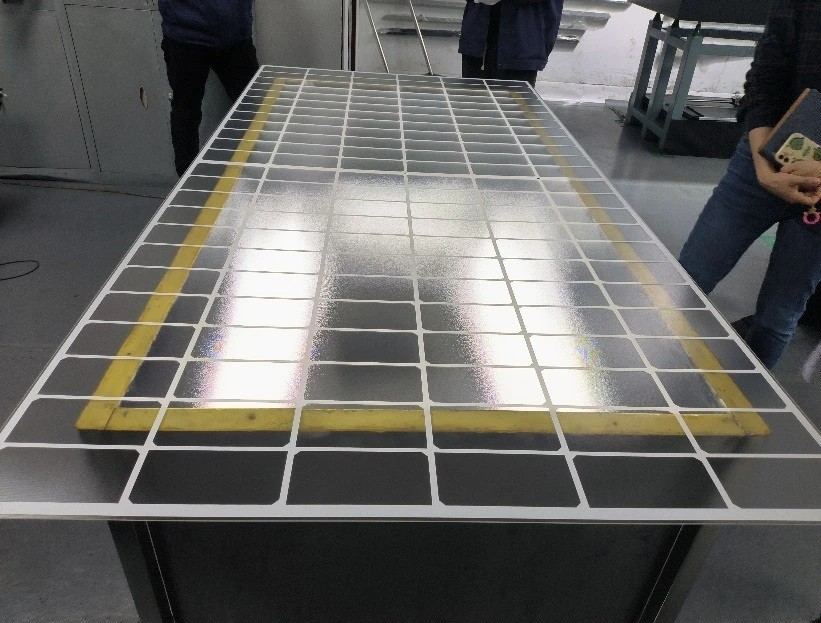
Product and work area inspection during a factory assessment.
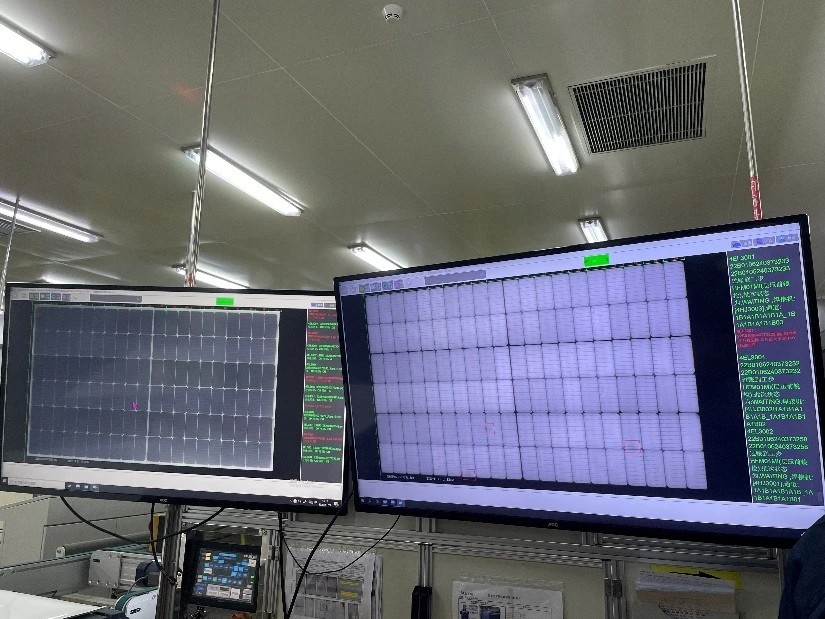
Test monitors documented during a review of production controls.
PRODUCT-SPECIFIC CHECKS
The product, intended use and destination market shape the inspection criteria. Garden, outdoor and tool products need checks suited to their particular risks.
Damage, corrosion, surface finish, fit and visible defects.
Size, weight, declared specifications, materials and critical components.
Assembly, controls, accessories and performance in the intended use.
Applicable safety checks, durability evidence and further testing needs.
Transport protection, artwork, labels, warnings, instructions and shipping marks.
Supplier test reports and the evidence still needed to complete the review.
SAMPLE EVALUATION
Sample-evaluation records show the setup, the measurement and the detail under review. Open a photograph to inspect it.
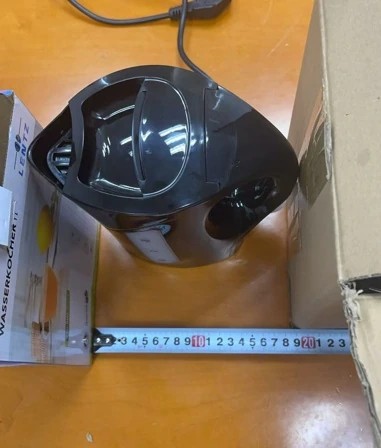
Tape measurement of the sample body.
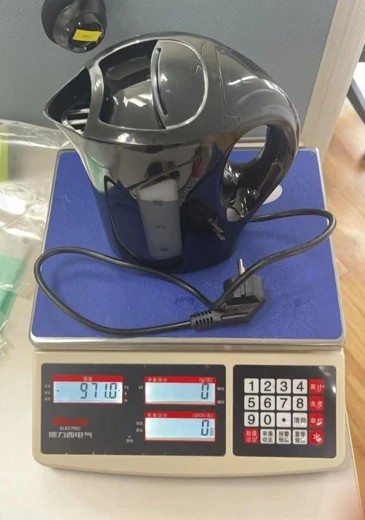
Sample weighing and the recorded scale reading.
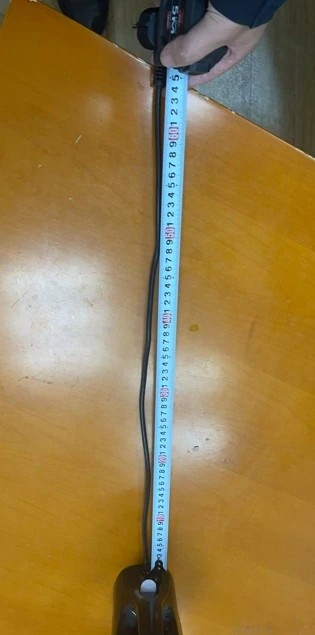
Cord length measured against the declared specification.
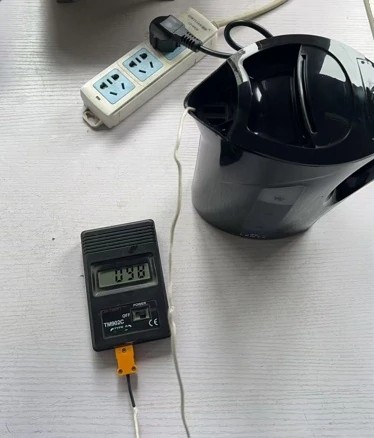
The temperature measurement setup during sample evaluation.
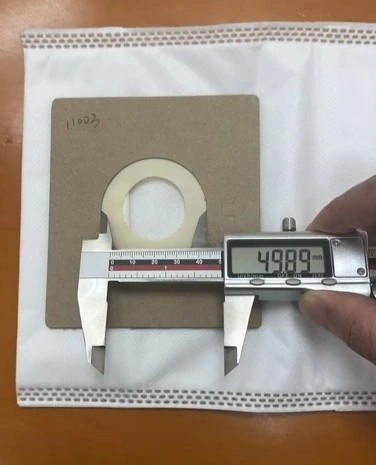
Measuring the opening of a vacuum-cleaner dust bag.
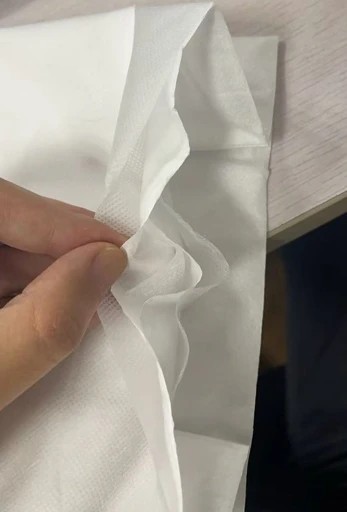
Dust-bag material layers examined during evaluation.
An individual check does not establish overall product approval. Approval depends on the complete findings and any unresolved evidence.
8D · CORRECTIVE ACTION
Two anonymised examples show how an observed defect becomes an investigation, a correction and an updated control.
01 / 02
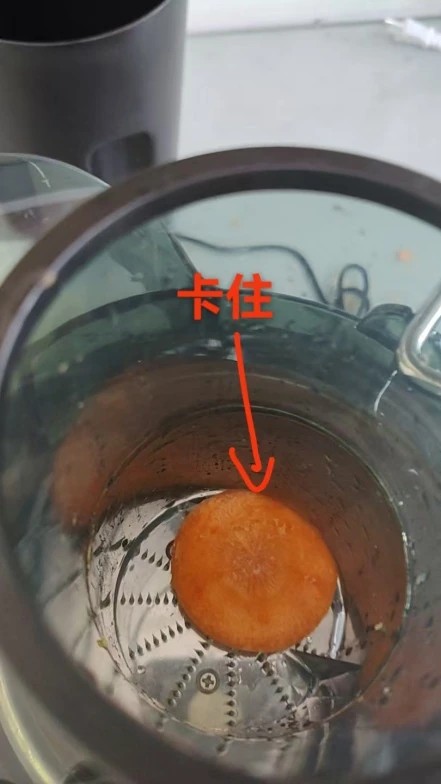
The original report marks where carrot material became trapped.
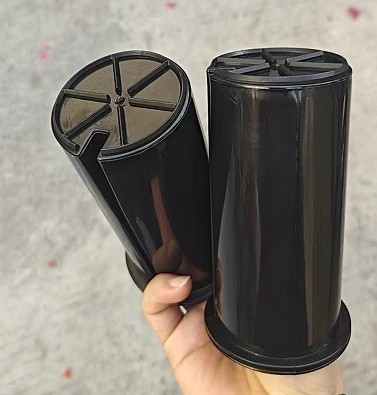
Component comparison retained with the corrective-action record.
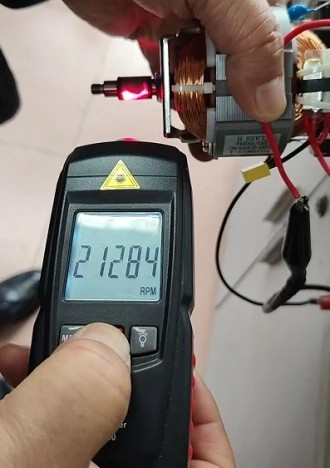
A tachometer reading from the motor investigation.
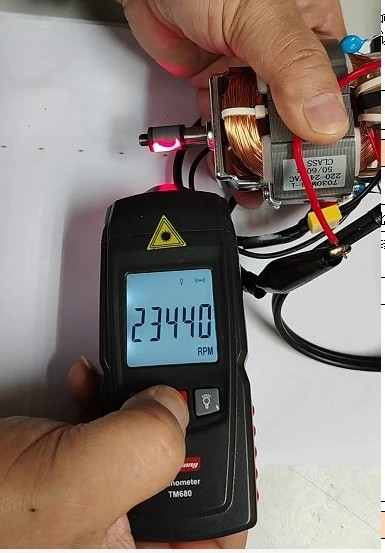
A further motor-speed measurement retained for review.
02 / 02
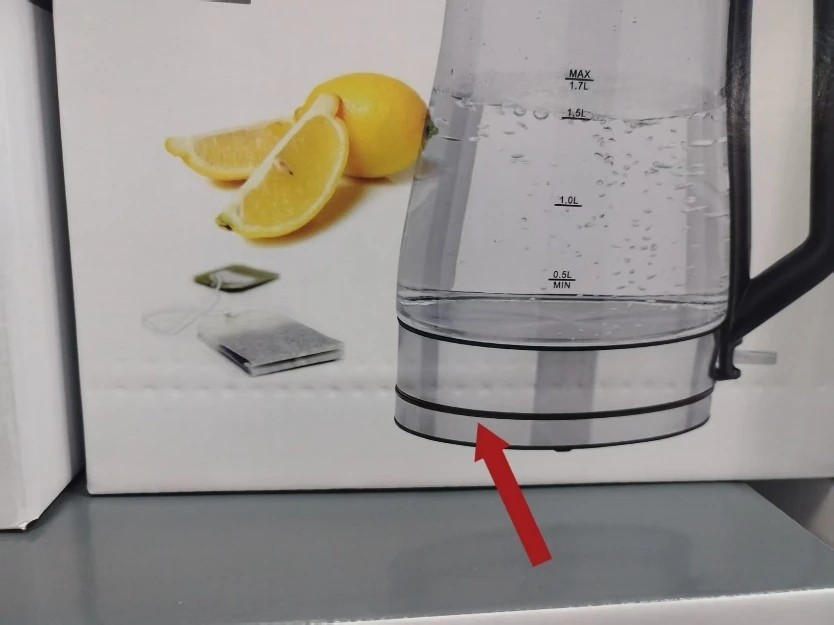
An original defect record with the crease marked by a red arrow.
The red arrow is part of the original defect record. This is not a before-and-after comparison.
AI + QUALITY
AI supports the organisation and review of specifications, supplier documents and project records. Physical inspection, testing and acceptance decisions remain with the responsible professionals under the agreed project scope.
TRACEABLE PROJECT RECORDS
For each project, we agree the quality requirements, inspection stages, acceptance criteria, service providers and decision responsibilities. Relevant photographs, reports and corrective-action records are shared within the agreed scope and confidentiality arrangements.
The specification or agreed criterion.
A photo, measurement or supporting report.
What meets the requirement and what deviates.
An owner, deadline and verification.
Approval, rework, recheck or follow-up.
FAQ
We use the specification, approved sample, destination market and product risks to define the scope. Timing, sampling, criteria, responsibilities and costs are agreed for the project.
A sample can meet the checks performed while material evidence, durability reports or packaging details remain open. These items are tracked separately before the relevant approval.
We review supplier documents and coordinate testing within the agreed scope. Where independent laboratory testing or certification is needed, the laboratory, certification body and responsibilities are agreed for the project.
We document the findings, coordinate containment and corrective action, and verify or re-inspect as needed. The customer receives the findings and open items for the next decision.
LET’S WORK TOGETHER
Share your product specifications, target market, project stage and quality concerns. Let’s define the checks and next steps your project needs.
Please send your sourcing enquiry and keep this page open. Newton will reply from his mobile as soon as possible.
newton@comesouce.comOpen chat in a new tabChat is hosted by tawk.to. Privacy